Tuckpointing & Repointing Services
Expert tuckpointing and repointing that restores your masonry, prevents water damage, and extends the life of your brick and stone structures.
What is Tuckpointing and Why Does Your Home Need It?
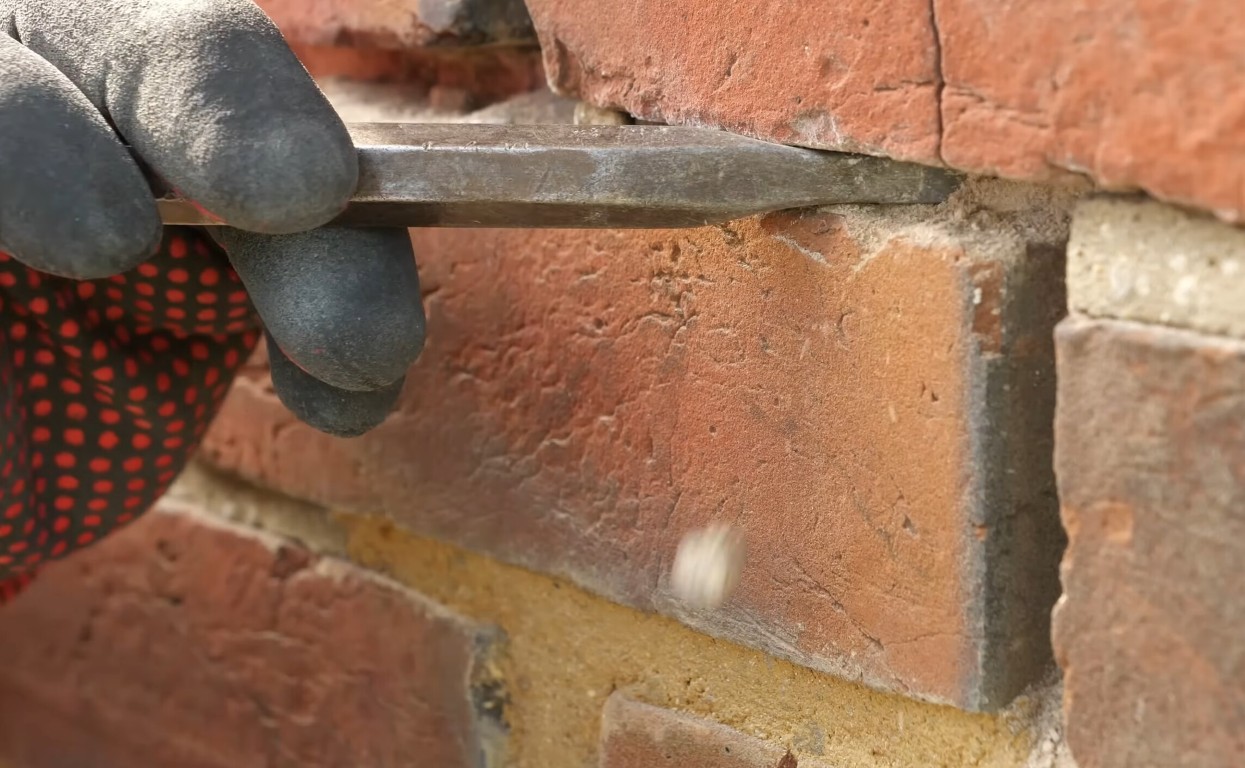
Tuckpointing and repointing are terms you might hear used interchangeably, and they refer to the same essential masonry maintenance process. It involves removing damaged or deteriorated mortar from the joints between bricks or stones and replacing it with fresh mortar. This is not just cosmetic work. It is critical maintenance that protects your entire masonry structure.
Here is why this matters for your West Palm Beach, FL home. Mortar is softer than brick or stone, which means it takes the brunt of weathering over time. As mortar deteriorates, it creates gaps and cracks that allow water to seep into your walls. Once water gets in, it can cause serious problems like interior damage, mold growth, brick spalling, and even structural instability.
At PBM West Palm Beach Masonry, we specialize in professional tuckpointing services that restore the integrity and appearance of your brick and stone structures. Our skilled craftsmen carefully match your existing mortar color and strength, ensuring repairs blend seamlessly and last for decades.
Signs Your Masonry Needs Tuckpointing
How do you know when it is time to repoint your brick or stone walls? Here are the clear warning signs that indicate your mortar joints need attention.
Warning Signs of Mortar Deterioration
- •Crumbling or powdery mortar: If you can easily scrape mortar out with your finger or if it crumbles when touched, it has lost its strength and needs replacement.
- •Gaps between bricks: When mortar recedes more than a quarter inch into the joint, water can penetrate deeply into the wall.
- •Cracks in mortar joints: Visible cracks are entry points for water and should be addressed before they widen.
- •Water stains or dampness inside: If you see water damage on interior walls adjacent to exterior masonry, failing mortar might be the culprit.
- •White staining on bricks: Efflorescence indicates that water is moving through your mortar joints and carrying salts to the surface.
- •Loose or shifting bricks: When mortar fails completely, bricks lose their support and can shift or fall out.
If you notice any of these signs, do not delay. The longer you wait, the more extensive and expensive the repairs become. Early intervention with professional tuckpointing can prevent major structural damage and save you thousands in future repairs. We also provide comprehensive brick repair and restoration services for additional masonry needs.
Our Professional Tuckpointing Process
Tuckpointing is skilled work that requires experience, precision, and the right materials. Here is how we approach every tuckpointing project to ensure lasting results.
Step 1: Thorough Inspection and Assessment
We start by examining your masonry to determine the extent of mortar deterioration. We check the depth of erosion, test mortar hardness, and look for any underlying issues like water damage or structural movement. This helps us give you an accurate estimate and identify any areas that need special attention.
Step 2: Careful Mortar Removal
Using specialized grinders and hand tools, we carefully remove the deteriorated mortar to a depth of about three-quarters to one inch. This depth ensures the new mortar has enough surface area to bond properly. We take care not to damage the surrounding bricks or stones during this process.
Step 3: Mortar Color and Strength Matching
One of the most important aspects of quality tuckpointing is matching the original mortar. We analyze your existing mortar to determine its composition and strength, then mix new mortar that matches both the color and performance characteristics. Using mortar that is too strong can actually damage softer historic bricks, so getting this right is critical.
Step 4: Application and Finishing
We apply the new mortar in layers, ensuring it fills the joint completely and bonds well with the existing masonry. Once the mortar reaches the right consistency, we tool the joints to match the original profile, whether that is concave, flush, or weathered. Proper tooling is essential for both appearance and water shedding. For additional outdoor masonry projects, consider our retaining wall installation services.
Step 5: Curing and Cleanup
After the work is complete, the mortar needs time to cure properly. We protect the work area from extreme temperatures and ensure proper moisture levels during curing. Once everything has set, we clean the surface, remove any residue, and leave your property looking better than when we arrived.
Frequently Asked Questions About Tuckpointing
Ready to protect your masonry with professional tuckpointing?